The Shift
The moment everything changed.
Introduction
For a long time, I believed better prompts would create better designs.
Whenever I started a project, I opened AI before I opened my research notes.
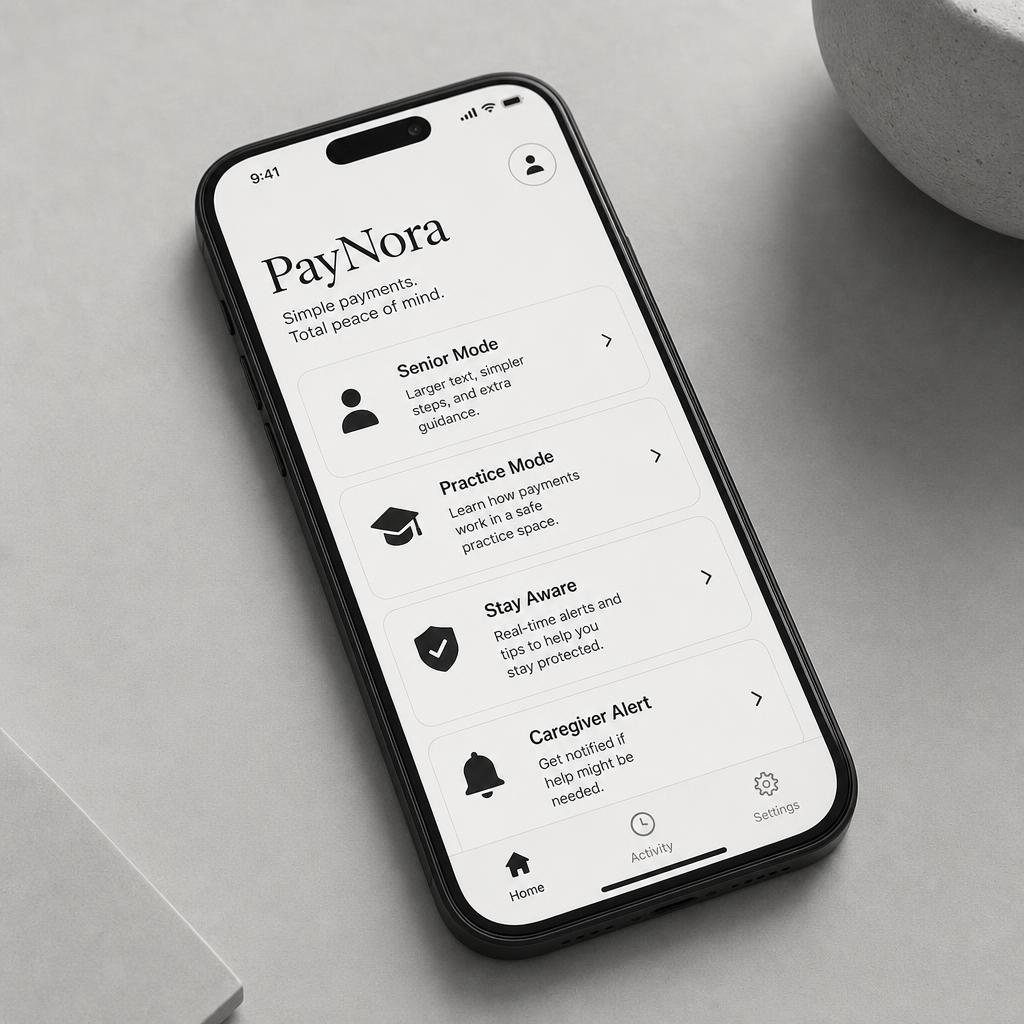
I asked it to generate screens, landing pages, dashboards, and mobile apps.
The outputs were impressive. Clean layouts. Modern interfaces. Beautiful visuals.
But after looking at them for a while, something felt wrong.
They solved a prompt. Not the problem.
That realization completely changed how I design today.
Observation
Looking back, I wasn't actually designing. I was collecting outputs.
Every generated screen looked polished, but none of them understood the users I was designing for.
Whenever I asked AI to redesign something, it simply rearranged components.
It couldn't explain
- Why users behave this way.
- Why they hesitate.
- Why they abandon.
- Why they trust one experience over another.
Those answers never come from AI.
They come from understanding people.
What Changed
Design this screen.
Why is this problem happening?
That single question changed everything.
Now my process begins with understanding before creating.
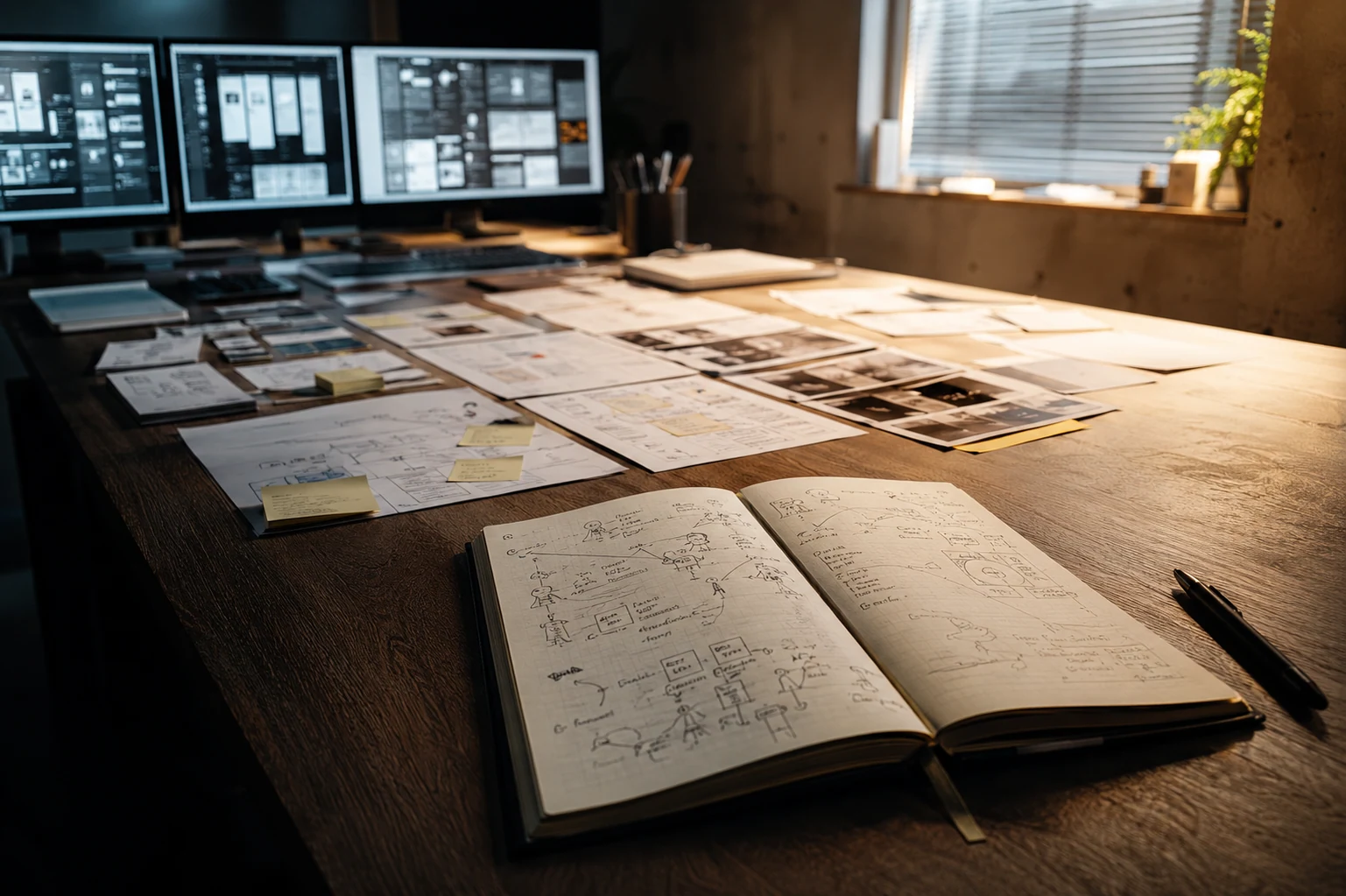
I research. I interview. I analyze competitors. I organize insights.
Only then do I invite AI into the conversation.
AI no longer starts my projects. It joins them.
“AI didn't make me a better designer.
It made me realize where real design begins.”
What I Learned
The biggest lesson wasn't about prompting. It was about thinking.
AI is incredibly good at generating possibilities.
But it doesn't know which possibility deserves to exist.
That's still my responsibility as a designer.
Today I use AI to
- Challenge my assumptions
- Explore multiple directions
- Organize research
- Critique my ideas
- Identify blind spots
- Accelerate repetitive work
But I never ask it to replace my judgment.
Why This Matters
Someone is making a payment.
Buying medicine.
Shopping for their family.
Booking an appointment.
Choosing the right size.
These decisions aren't just interactions.
They're moments filled with uncertainty.
If I let AI make every design decision, I'm optimizing for speed.
If I understand people first, I'm designing for confidence.
That difference matters.
My New Workflow
Understand the problem
Research users
Identify patterns
Think critically
Use AI to explore possibilities
Refine with human judgment
Validate with users
Design with confidence
Key Takeaway
AI didn't make me a better designer.
It made me realize where real design begins.
Not with prompts. With questions.
Final Thought
Today I don't ask AI to think for me.
I ask it to think with me.
Because the most valuable part of design isn't generating interfaces.
It's understanding people well enough to create something worth building.
And that's still a human skill.
Journal Reflection
These reflections are part of my ongoing journey of designing products through curiosity, research, and human judgment. Every project, conversation, and challenge continues to shape how I think, and ultimately, what I choose to build.
Until the next reflection.