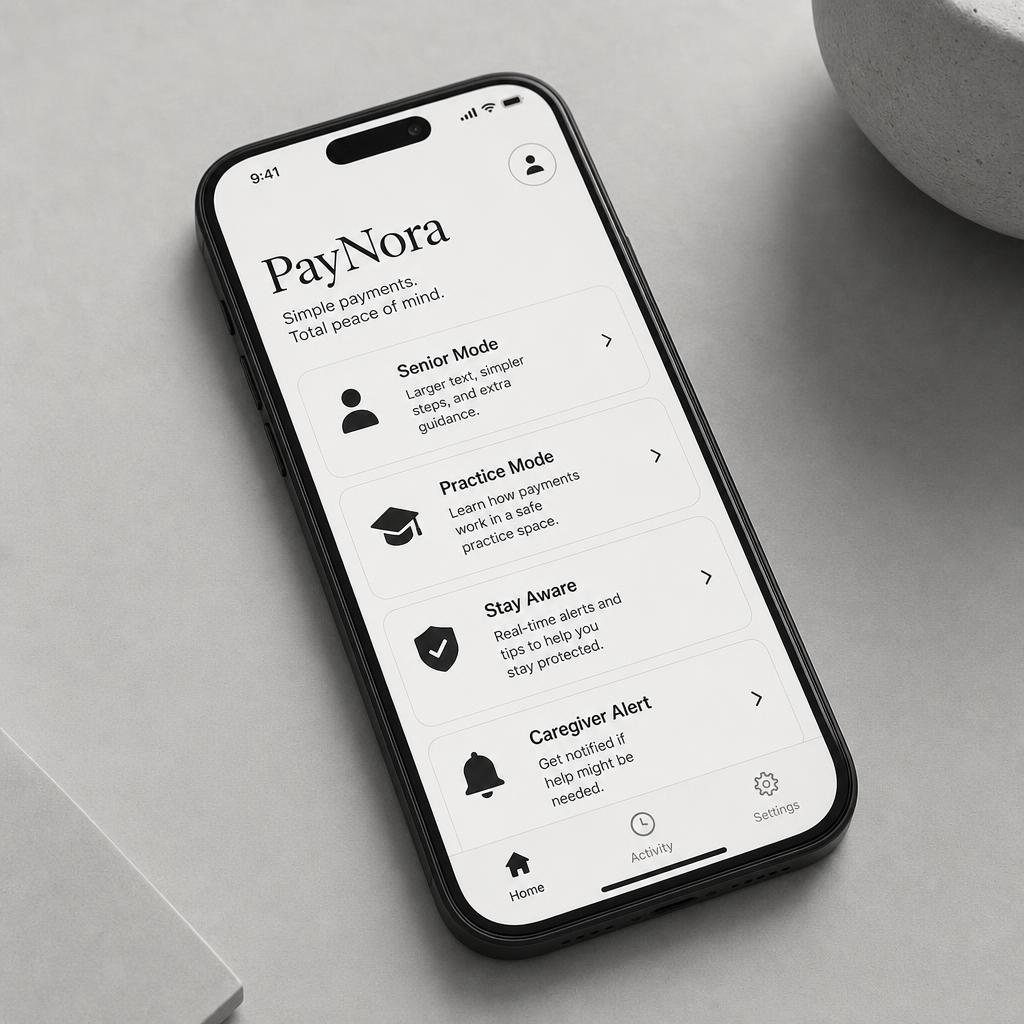
How I Design Today
My AI-assisted design workflow, from uncertainty to confidence.
Opening
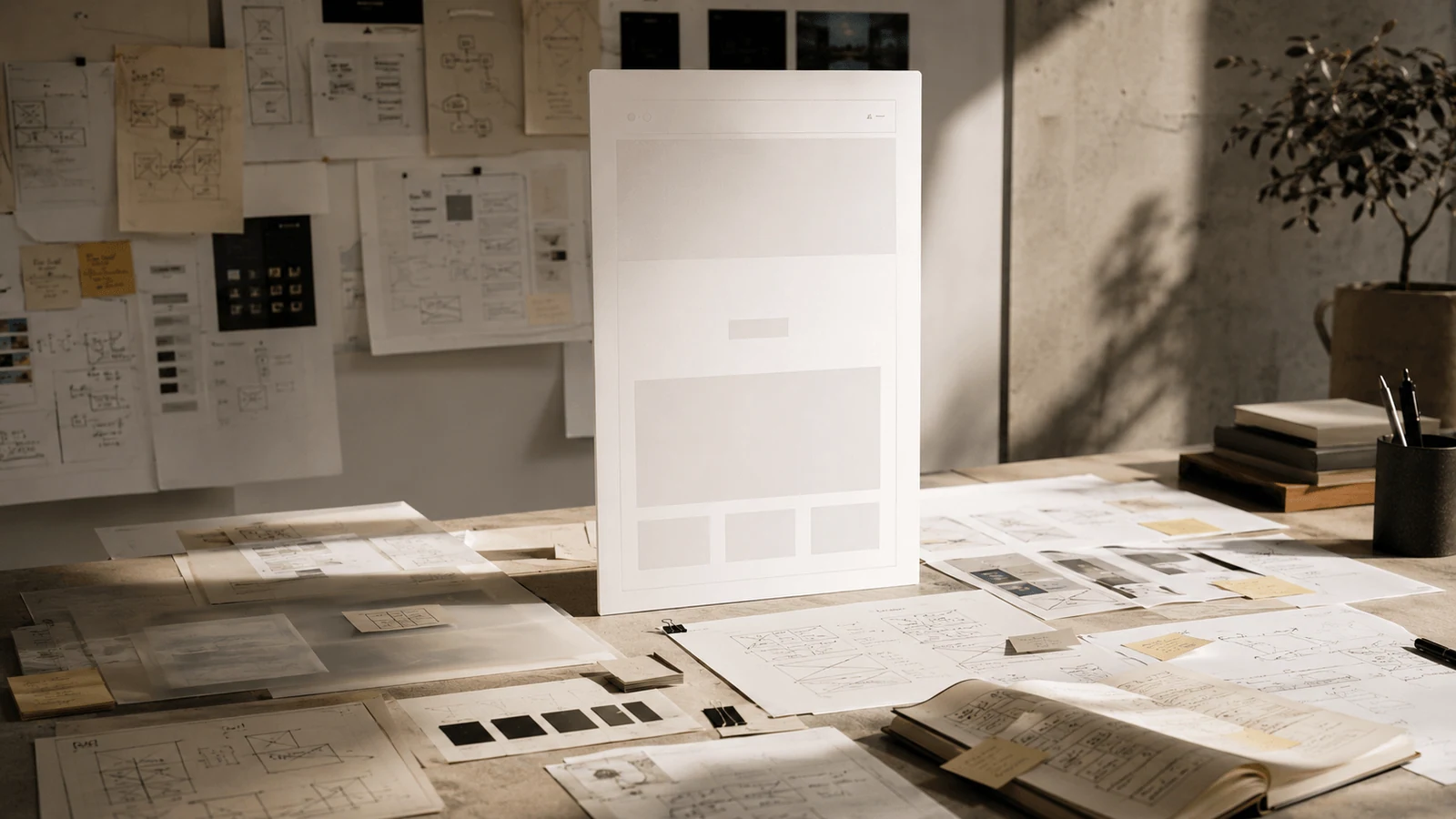
Every finished interface begins long before the first frame in Figma.
People often see polished interfaces.
What they rarely see are the conversations, uncertainty, research, assumptions, discarded ideas, critiques, and countless iterations behind them.
This journal is about that invisible work.
Understanding Before Designing
Before opening Figma, I first try to understand what problem actually deserves solving.
I begin with simple questions:
- What are users struggling with?
- Why does this problem exist?
- Who is affected?
- What happens if we never solve it?
No AI.
No UI.
Just curiosity, observation, and critical thinking.
Research Starts the Conversation
Research is where curiosity becomes understanding.
I explore:
- User interviews
- Observation
- Behaviour patterns
- Product reviews
- Analytics
- Support conversations
- Existing experiences
AI helps summarize information.
It never replaces listening to people.
Learning from Existing Products
I don't study competitors to copy them.
I study decisions.
Questions I ask include:
- Why does this interaction reduce friction?
- Why does this onboarding build confidence?
- Why does another experience create hesitation?
AI helps organize observations.
Human judgment determines what truly matters.
Finding Patterns
Research creates information.
Insights create direction.
This is where recurring behavioural patterns begin to emerge.
Fear.
Confusion.
Trust.
Decision fatigue.
Those patterns eventually become meaningful design opportunities.
Designing for Feelings
Instead of asking,
"What should this screen look like?"
I ask,
"What should users feel here?"
Sometimes the answer is confidence.
Sometimes clarity.
Sometimes control.
Those emotional goals guide every design decision that follows.
Where AI Joins My Workflow
This is where AI becomes a collaborator.
Not at the beginning.
In the middle.
I use AI to
- Explore possibilities
- Challenge assumptions
- Organize research
- Generate alternative directions
- Identify blind spots
- Critique early ideas
AI expands the conversation.
It never replaces design judgment.
Testing the Thinking
Every exciting idea deserves skepticism.
I challenge concepts through:
- AI critiques
- Team discussions
- User conversations
If an idea doesn't survive thoughtful questions,
it doesn't survive the product.
From Structure to Interface
Only now do I begin sketching.
Because structure follows understanding.
Wireframes aren't simply layouts.
They're decisions about what deserves attention.
Visual design isn't decoration.
It's communication.
Typography.
Spacing.
Hierarchy.
Accessibility.
Motion.
Every design decision reinforces an experience that has already been thoughtfully defined.
Validation
Users always surprise me.
They notice things I overlooked.
They struggle where I felt confident.
That's why usability testing isn't the final step.
It's another beginning.
Iteration
The first solution is rarely the best one.
Iteration isn't about correcting mistakes.
It's about learning faster.
Every revision brings greater clarity.
Final Outcome
Eventually, the interface feels simple.
Not because the problem was simple.
Because the thinking became clearer.
Final Reflection
People often ask,
"How much of your work is AI?"
I think that's the wrong question.
The better question is,
"Where does human judgment matter most?"
My answer is: every meaningful design decision.
AI helps me explore.
Research helps me understand.
Users help me validate.
But the responsibility for every design decision is still mine.
Closing Reflection
My workflow has evolved over time, but one principle hasn't changed:
Every meaningful product begins with
understanding people before designing for them.
"The quality of a product isn't determined by how quickly it was designed. It's determined by how deeply it was understood."
Journal Reflection
Throughout my ongoing journey of designing products, I continue to learn through curiosity, research, AI-assisted exploration, and human judgment. These journals document the evolution of how I think, not simply what I design.
Until the next reflection.